the manifesto
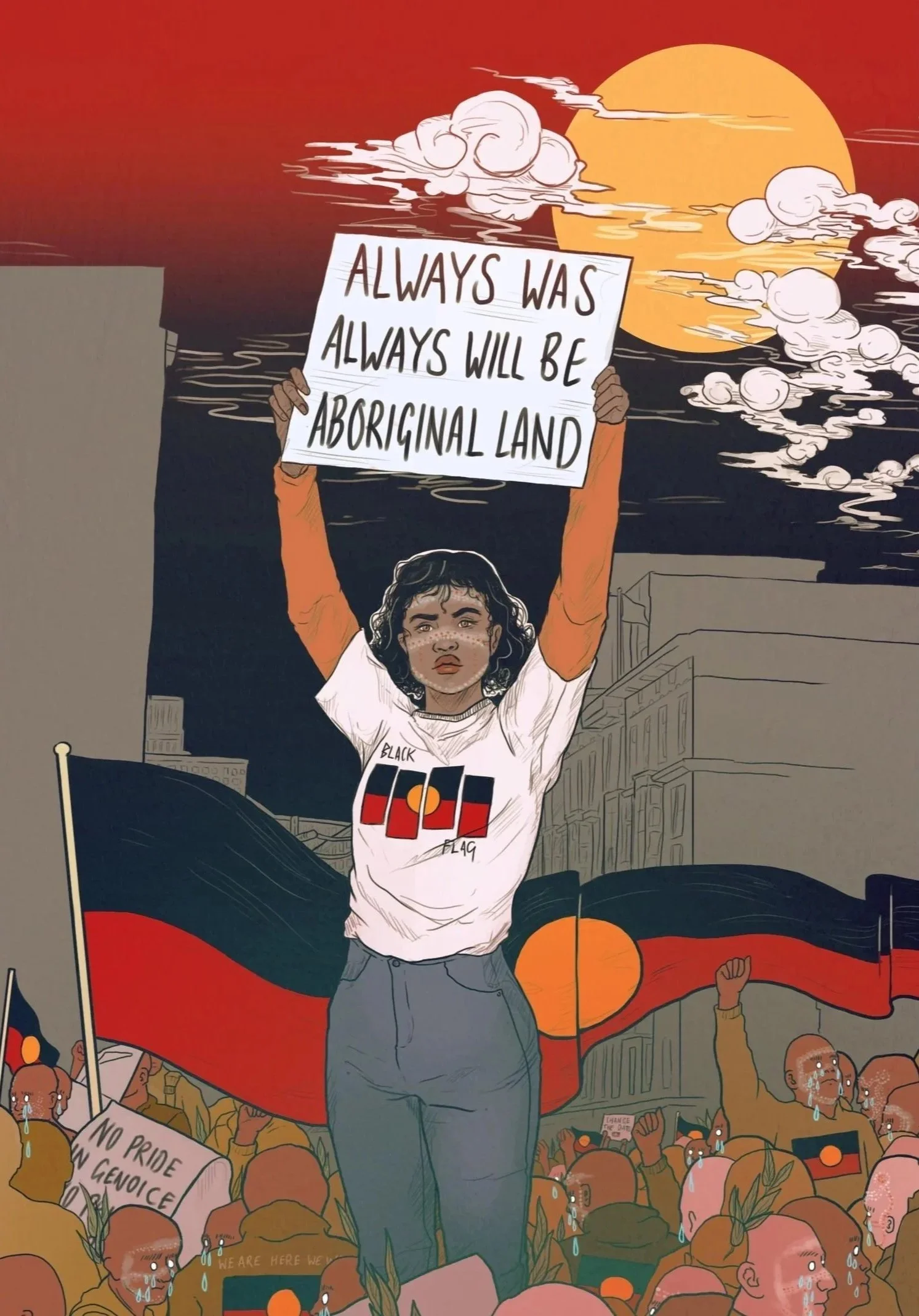
WHEN WE COMMIT TO REIMAGINING JUST SYSTEMS, WE LEAN IN TO THE RADICAL WORK OF CREATING A WORLD ROOTED IN EQUITY AND JUSTICE.
❋ if systems are designed, we can design alternatives
When we acknowledge that injustice is a feature, then we understand that true change can only occur by reimagining a system that works, not reforming a broken one.
❋ step up and stand back: Indigenous stewards will lead us forward
As the original and continuing caretakers of our planet, when Indigenous voices, knowledge, and leadership are at the centre of decision-making, our liberation will reflect the environment that nourishes us.
❋ Data informs, stories mobilise
Facts and data provide clarity, but stories inspire change. Frontline communities have living histories, and it is in collectivising that these stories that resonate across borders.
❋ collective liberation requires a collective
Complex, interconnected challenges require unified ecosystems. By weaving together diverse knowledge holders, we engineer the holistic, structural solutions required for true collective liberation.
❋ commit to resistance
Standing in solidarity with those on the frontlines of oppression does not ‘occur’, it is continued. This movement is a lifelong commitment to learning and contribution that comes in many forms.
❋ justice is one struggle, with many fronts
Environmental, racial, social, and economic justice are inseparable. When we build coalitions that connect, we amplify our impact across movements, and can liberate collectively.
❋ remember our positionality and when white, decolonise language
Reimagining our liberation can happen when we de-weaponise language and self. This starts with me and the body I inhabit.
❋ Transformation is Rooted in the Territories
Systemic change is built from the ground up. By actively resourcing frontline movements and scaling community-led infrastructure, we ensure that the power to design our future remains firmly in the hands of the people living it.
❋ learn to leverage tools that work
Policy is dry, and the law is difficult, but these are necessary tools for accountability. We must learn to leverage these tools, and translate them well to protect rights.